
Quantum Computing
6 articles
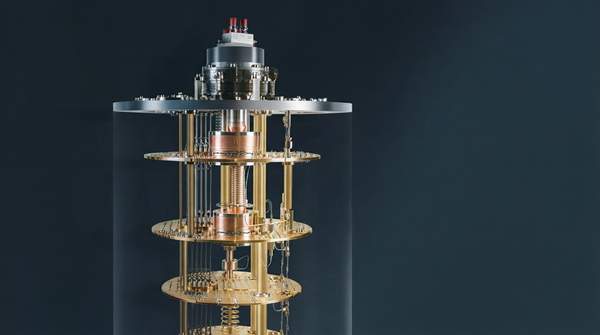
How Superposition and Entanglement Give Quantum Computers Their Exponential Edge
Quantum computers harness the power of superposition and entanglement, allowing qubits to exist in multiple states simultaneously and become correlated. This combination enables them to explore an exponentially larger state space than classical computers, offering significant speedups for specific complex problems.
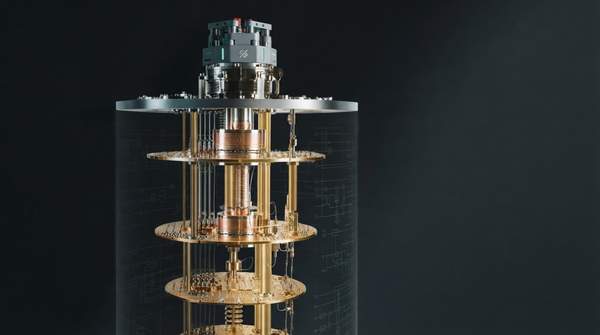
Quantum Platforms by Problem Type: Which Hardware Architecture Fits Your Industry's R&D
The most critical question for enterprises exploring quantum computing is identifying the problem type, not the qubit count. Commercially available quantum platforms are broadly divided into annealers for optimization and gate-based systems for simulation, guiding R&D strategy.
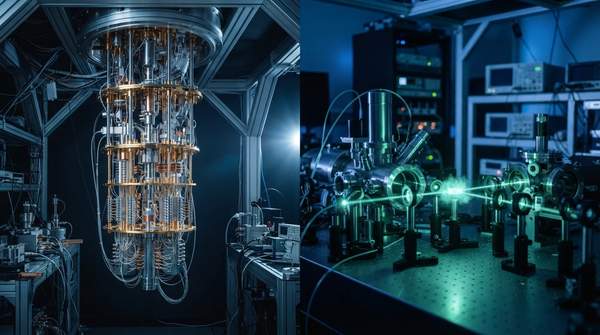
How Quantum Computers Get Colder Than Deep Space: Dilution Refrigeration vs. Laser Cooling
Quantum computers use two primary cooling methods: dilution refrigeration for superconducting qubits to millikelvin temperatures and laser cooling for neutral-atom qubits to microkelvin. The choice significantly impacts a system's power, footprint, and deployment environment.

PsiQuantum names Niklas Zennström to its Board of Directors
Niklas Zennström, co-founder of Skype and Atomico, has joined the board of PsiQuantum, a company aiming to build the world's first utility-scale fault-tolerant quantum computer.

Quantum in 2026: Willow, Ocelot, and Why Deep Tech's Hardest Problem Is Also Its Most Strategic
Quantum computing in 2026 is shaped by hardware milestones from Google, IBM, and AWS, and a growing consensus that its significance lies in convergence with AI and semiconductors. Understanding corporate races and geopolitical stakes is now essential for tracking deep tech.

Quantum Computing and AI: What the Principles Promise and What Actually Works Today
Quantum computing promises to revolutionize AI through optimization, simulation, and machine learning, but current practical applications rely on hybrid quantum-classical models due to immature hardware. The significant gap between theoretical potential and current reality is defined by qubit scarcity, instability, and error-proneness.